

When figuring out how much you can spend on a used car, it's not just about picking a monthly payment that fits your budget. It's also important to think about other costs like loan interest, insurance, parking fees, and maintenance. Knowing all these additional expenses is key to making a smart choice.
By considering all these costs, you can make a budget that really shows how much owning a used car will cost you in the long run. This way, you can avoid any surprise financial problems later on.

Shopping for a used car presents more challenges compared to buying a new one. While purchasing a new vehicle involves simply going to the dealership and making a choice, the process for a used car is more complex.
When buying a used car, here are the factors to consider:
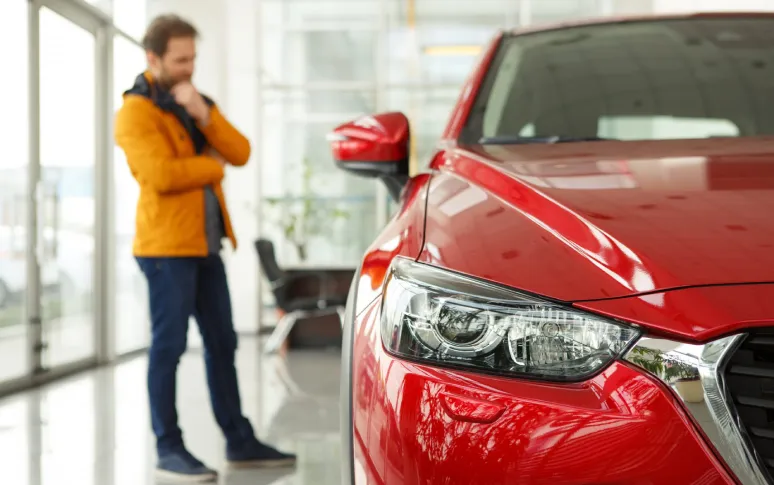
Certified pre-owned (CPO) cars provide a middle ground between used cars and new cars, offering factory warranty coverage. Typically low-mileage vehicles just a few years old, CPO cars undergo rigorous inspections and refurbishment by the original manufacturer. Unlike regular used cars sold "as-is", CPO cars come with extended manufacturer warranties, often including extras like trip interruption coverage and roadside assistance.
CPO programs also offer special financing deals with lower interest rates than typical used car loans, reducing overall loan costs. It's important to note that only a brand's franchised dealerships sell certified used cars, ensuring adherence to the manufacturer's standards. If a car is labeled "certified" but not inspected and refurbished by the brand's dealership, it is not truly manufacturer-certified. Warranty coverage for manufacturer-certified pre-owned vehicles allows repairs at any of their dealerships, offering more comprehensive protection compared to dealership warranties on regular used cars.
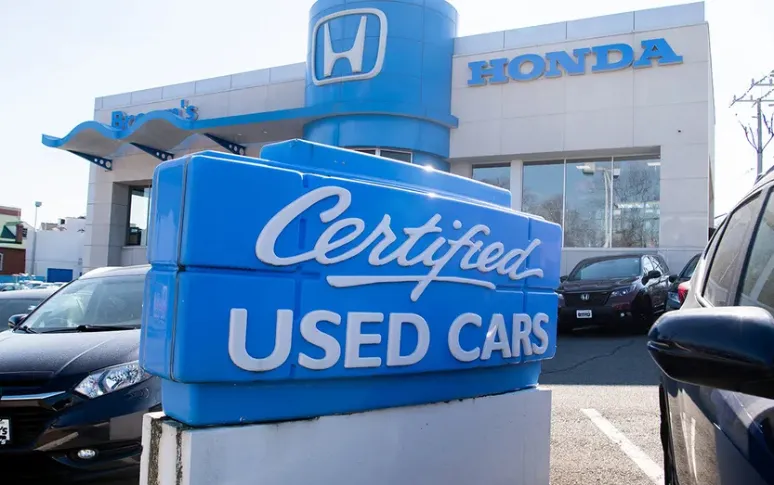
Securing financing is a vital step for many looking to buy a used car. While some can pay in cash, most will require a loan. It's wise to get pre-approved before visiting a dealership to potentially save money in the long term.
Buying from a private seller means self-financing, often with higher loan rates due to increased risks. Beyond traditional banks, options like credit unions, community banks, online banks, finance companies, and car dealerships offer financing, each with unique benefits. Credit unions typically offer lower rates, community banks provide a personalized approach, online banks offer convenience, and finance companies cater to specific borrower profiles.
Once you've selected a lender, apply for financing with accurate personal and financial information. Applying to multiple lenders allows for offer comparisons without affecting your credit score. Remember to factor in the total car cost, consider making a down payment, and opt for shorter loan terms to reduce expenses and lower risks.

Various places offer used-car financing and sales, each with unique service, ease, and pricing. It's recommended to research dealerships or sellers thoroughly for credibility and track record, and check with local consumer protection agencies for insights on their reputation.
When buying a used car, thorough research is vital. After selecting a potential vehicle and securing financing, delve into its history. Obtain a vehicle history report from services like Carfax or Autocheck to uncover past accidents, damage, theft records, and ownership details. This report also reveals maintenance history and registration information, aiding in assessing the vehicle's condition.
Moreover, a test drive is a pivotal step in the buying process. Adjust seats, test systems, and evaluate performance. Listen for engine sounds, assess ride quality, steering, and instrument panel warnings. A solo test drive on familiar roads provides a realistic assessment. Following this, an independent mechanical inspection is recommended to uncover hidden issues and estimate repair costs, ensuring mechanical integrity and aiding in negotiation.

When buying a used car, navigate emotional pricing by letting the seller start the pricing discussion. Counter with market-based reasoning, and stay polite yet firm. Be prepared to walk away if needed, but leave contact details. Verify calculations independently and maintain a patient, confident, and professional demeanor.
When buying from a dealership, signing prepared documents is straightforward. Please remember to check for hidden costs. In private sales, create a bill of sale noting details and potential repairs. Pay attention to different state regulations, which have varied requirements for title transfer, registration, and necessary paperwork.

When you are signing the final paperwork, you'll likely be barraged with offers for add-on products. Nearly every product offered in a dealer's financing office is available elsewhere. You'll want to take time to compare what the dealer is offering versus what's available in the marketplace.
It's often overlooked, but buying car insurance to protect your new car isn't just a good idea; it's the law in nearly every state. Even if it's not, most lenders will require you to have insurance on any car they finance. The coverage that's needed will vary by state and lender.
It has been a long journey, but now you're a car owner. You'll want to ensure that it is properly maintained and that you take steps to protect its value. By taking care of your car, you'll limit its depreciation. When it's time for your next vehicle, you want its trade-in value to be as high as possible.

Was this page helpful? Give us a thumbs up!